Object type: Head
Portrait of a boy
- Artist: Uidentifisert, romerskassumed certain
- Creation date: Mellom 370 og 400 e.Kr.
About
Other works by Uidentifisert, romersk
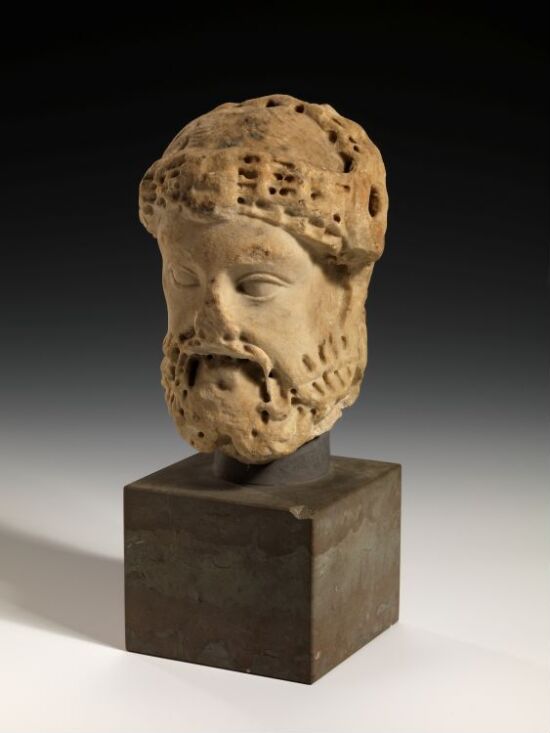 Head of PriaposUidentifisert, romerskFlavisk-trajansk (mellom 69 og 117 e.Kr.)
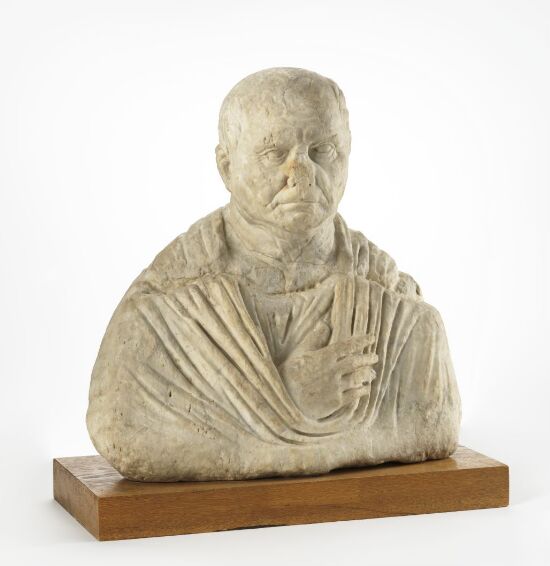 Funerary portraitUidentifisert, romerskCa. 50 f.Kr.
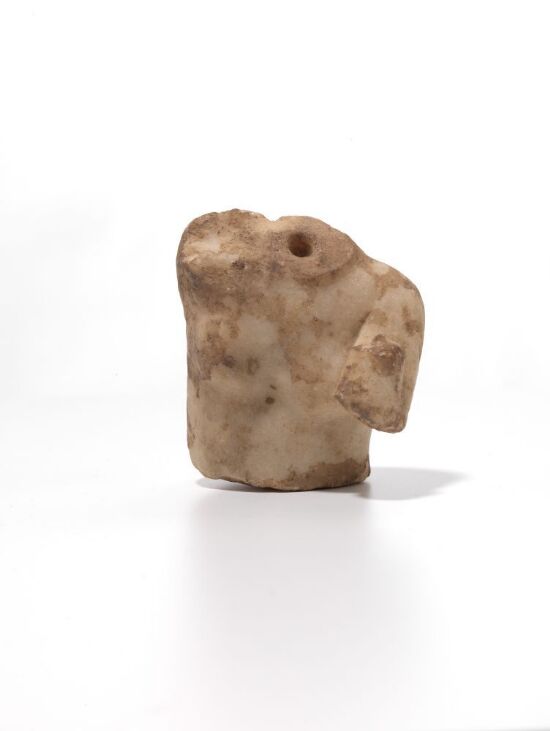 Aphrodite AnadyomeneUidentifisert, romerskRomersk
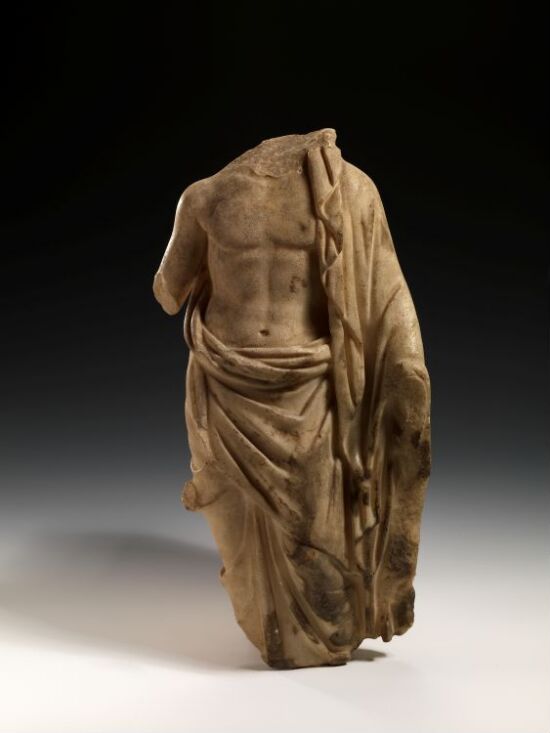 Statuette of Asklepios, Campana typeUidentifisert, romerskMellom 100 og 200 e.Kr.
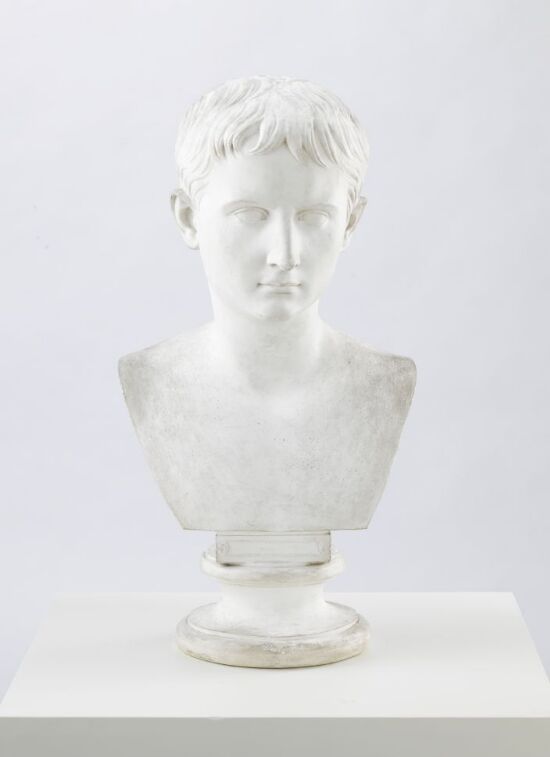 The Young AugustusG. Geiler gipsformator der königliche Akademie der bildende kunsten, Munchen
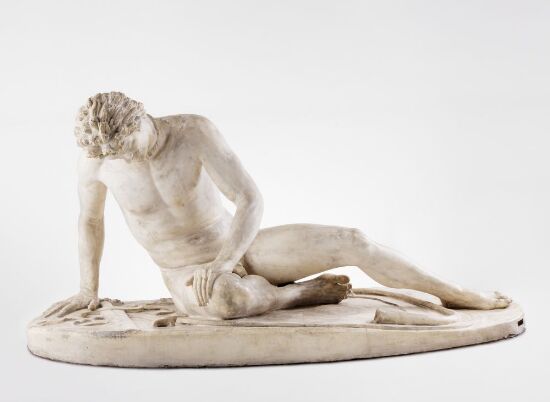 Dying GaulLeopoldo Malpieri, Formatore Roma
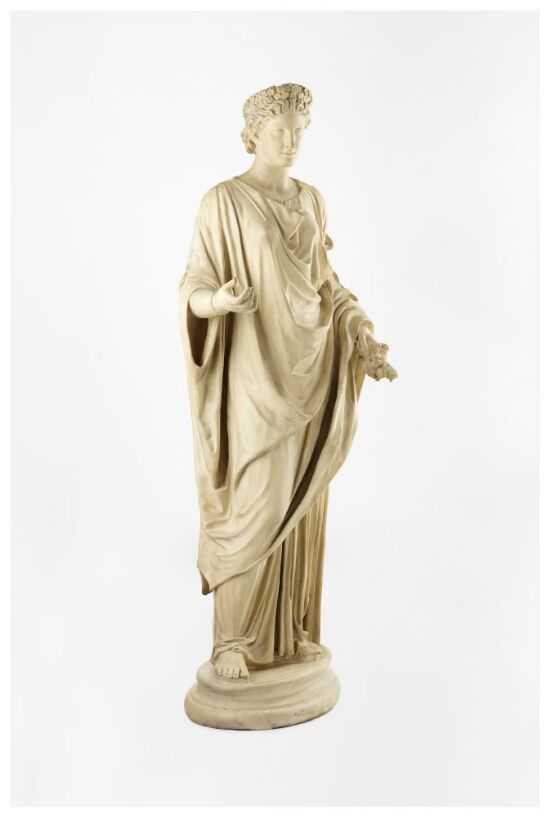 The Capitoline FloraMatthew Brettingham1756
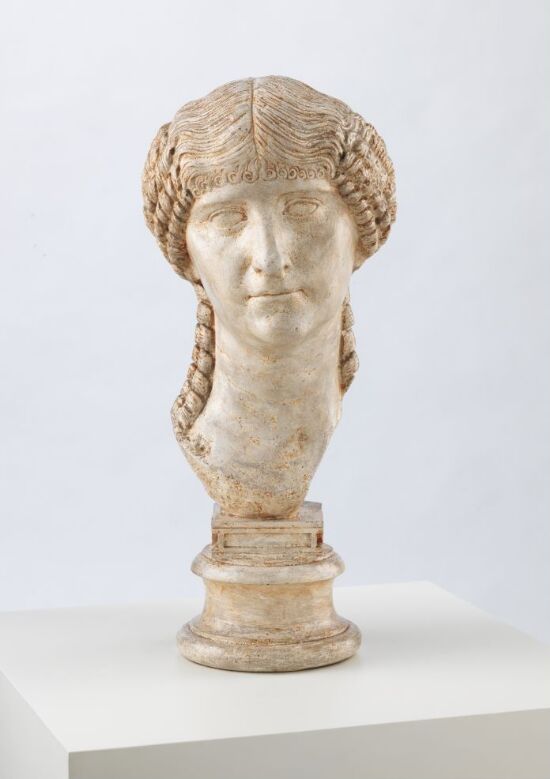 Agrippina minorNy Carlsberg Glyptotek
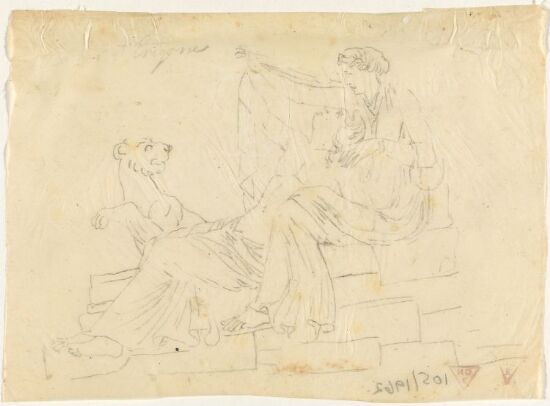 Bacchus and ErigoneJohan Gørbitz, Uidentifisert, romerskFørste halvdel av 1800-tallet
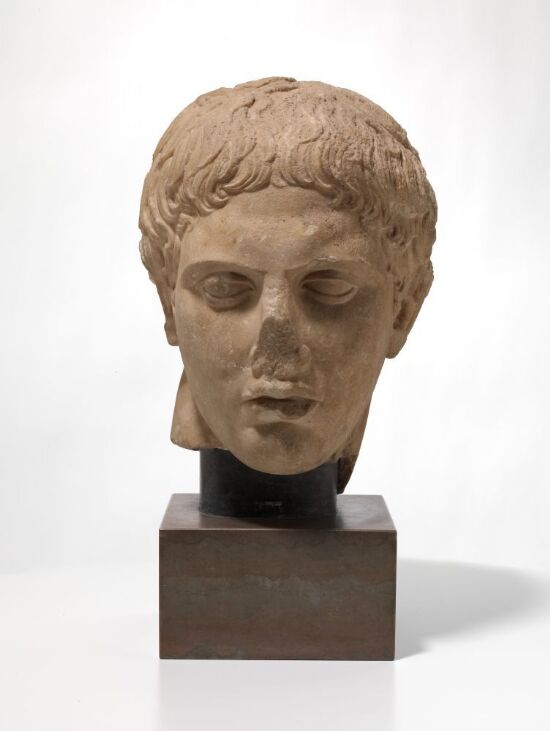 Head of Hermes attributed to PolykleitosUidentifisert, romersk, PolykleitosMellom 40 og 50 e.Kr.
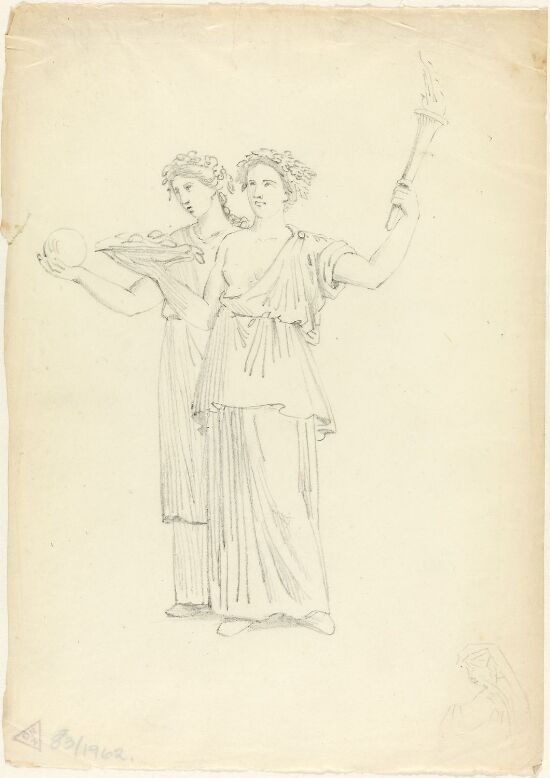 Two GoddessesJohan Gørbitz, Uidentifisert, romerskFørste halvdel av 1800-tallet
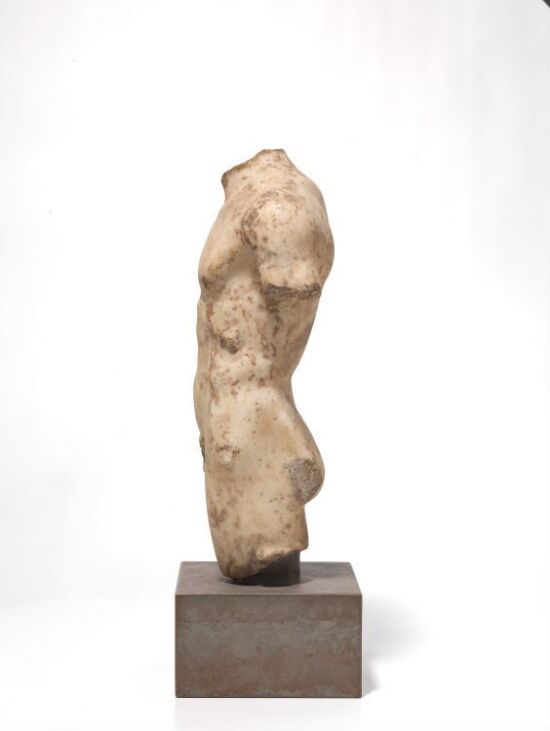 Statuette, Kassel Apollo typeUidentifisert, romersk, Uidentifisert, greskAntoninsk (mellom 138 og 192 e. Kr.)